- Home
- ProductsView all products
- Reed Switch
- Reed Relay
- Proximity switch/sensor
- Float Level Switch/Water Level Switch
- Liquid Level Sensor
- Flow Switch
- Flow Sensor
- Gas flow switch/sensor
- Pressure Switch
- Pressure Sensor
- Water Detection/Leak Sensor
- Temperature Switch
- Temperature Sensor
- Tilt switch
- Acceleration&Shock Switch
- Cylinder Magnetic Sensor
- Component Parts of Sensors
- Mass Flow Meter/Controller
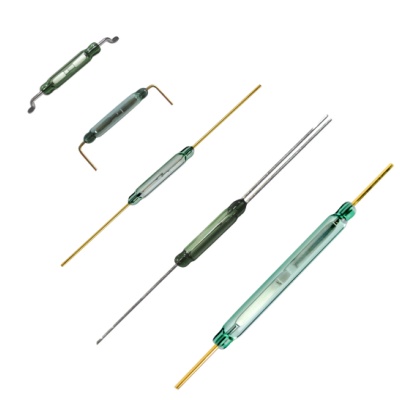
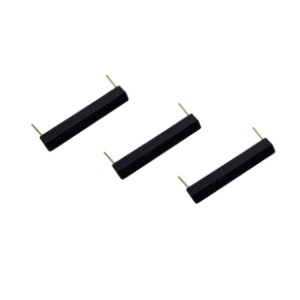
SIP Mould Reed Switch Series
When a magnet or coil creates a magnetic field that acts on the switch, both reeds of the reed switch become magnetized. An N pole is formed on the contact point of one of the reeds, and an S pole is formed on the contact point of the other reed. If the attractive force of the generated magnetic field causes the contacts to conduct, the circuit is closed. Once the magnetic field weakens to a certain extent, the reeds will separate again due to elastic force, which means the circuit is disconnected.
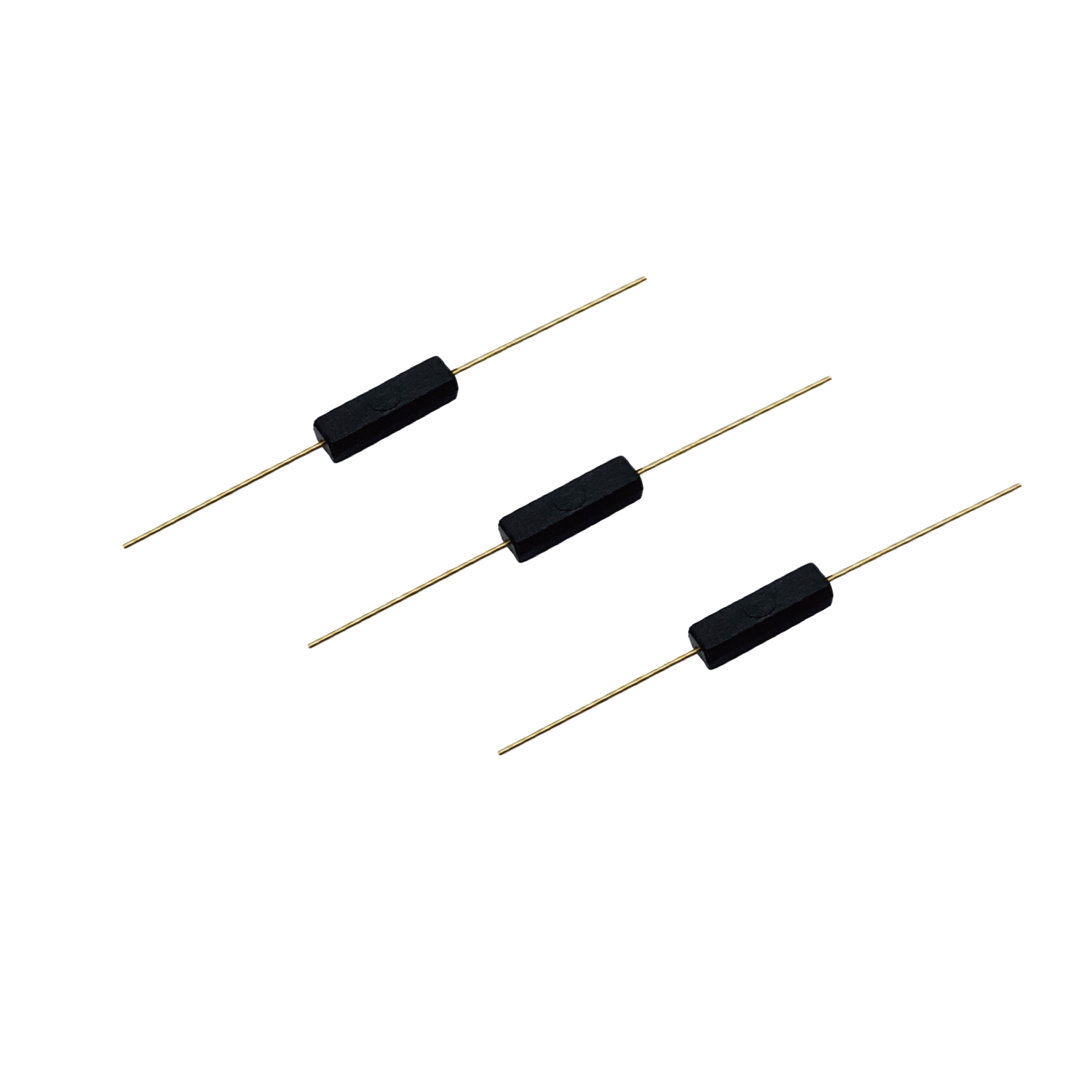
Line Mould Reed Switch
When a magnet or coil creates a magnetic field that acts on the switch, both reeds of the reed switch become magnetized. An N pole is formed on the contact point of one of the reeds, and an S pole is formed on the contact point of the other reed. If the attractive force of the generated magnetic field causes the contacts to conduct, the circuit is closed. Once the magnetic field weakens to a certain extent, the reeds will separate again due to elastic force, which means the circuit is disconnected.
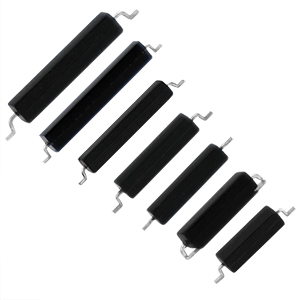
SMD Mould Reed Switch Series
When a magnet or coil creates a magnetic field that acts on the switch, both reeds of the reed switch become magnetized. An N pole is formed on the contact point of one of the reeds, and an S pole is formed on the contact point of the other reed. If the attractive force of the generated magnetic field causes the contacts to conduct, the circuit is closed. Once the magnetic field weakens to a certain extent, the reeds will separate again due to elastic force, which means the circuit is disconnected.
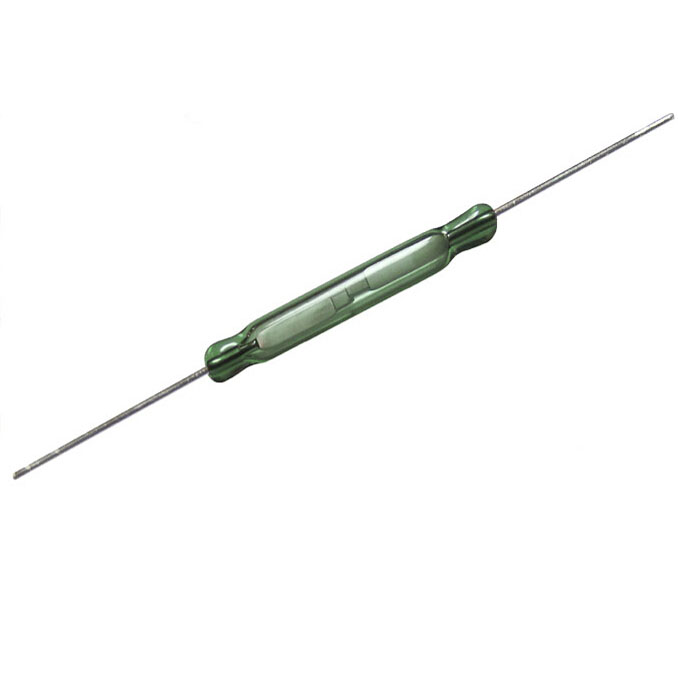
COTO RI
The advantages of compact structure, light weight, fast response time, long life and low cost. They are widely used in household appliances, industrial products, medical equipment, toys, fitness equipment, security, intelligent control, reed relays and other devices.
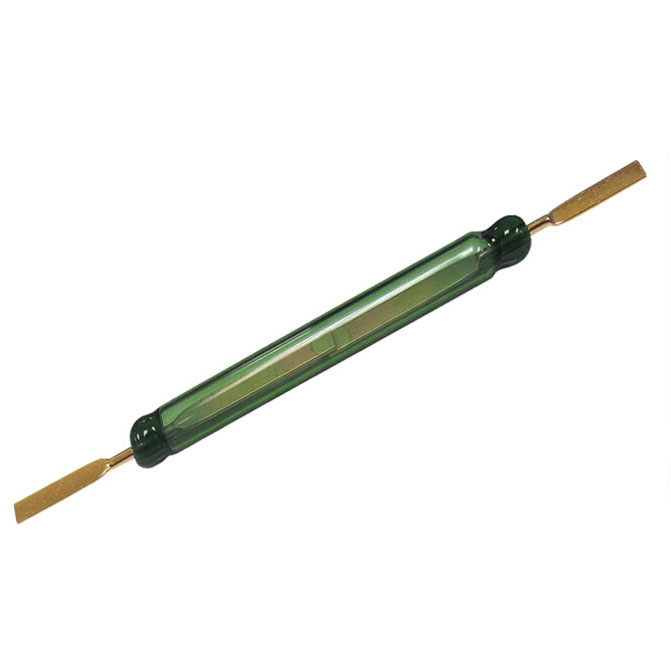
COMUS GC
Reed switches have contact types of normally open (Form A), normally closed (Form B) and normally closed normally open conversion (Form C). They are triggered by the magnetic field generated by a permanent magnet or a current-carrying coil.
STANDEX ORD
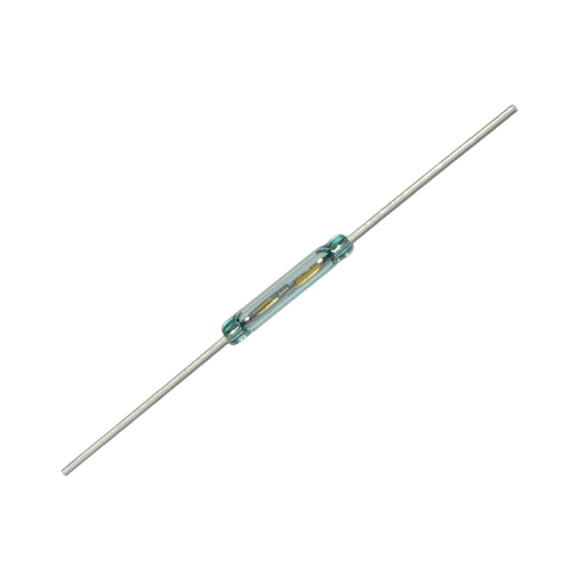
Reed switch consists of an elastic reed of magnetic material that is sealed in a glass tube filled with inert gas. The end faces of the magnetic sheets overlap but there is a certain gap in the middle, and the end face contacts are plated with a layer of precious metals (such as rhodium, ruthenium, etc.). Increases the stability of the switch and extends the service life of the machine.
DOLAM ZP
Reed switch consists of an elastic reed of magnetic material that is sealed in a glass tube filled with inert gas. The end faces of the magnetic sheets overlap but there is a certain gap in the middle, and the end face contacts are plated with a layer of precious metals (such as rhodium, ruthenium, etc.). Increases the stability of the switch and extends the service life of the machine.
ALEPH HYR
Reed switch consists of an elastic reed of magnetic material that is sealed in a glass tube filled with inert gas. The end faces of the magnetic sheets overlap but there is a certain gap in the middle, and the end face contacts are plated with a layer of precious metals (such as rhodium, ruthenium, etc.). Increases the stability of the switch and extends the service life of the machine.
LITTELFUSE MDSR
Reed switches have contact types of normally open (Form A), normally closed (Form B) and normally closed normally open conversion (Form C). They are triggered by the magnetic field generated by a permanent magnet or a current-carrying coil.
Reed Relay
A reed relay is a relay that uses a coil to generate a magnetic field to actuate a reed tube. It is a coil sensing device. Therefore, the characteristics of reed relays are small size, light weight, fast response speed, short bounce time and other characteristics. Mainly used in measurement equipment, communication equipment, security equipment, medical equipment, etc.
Industrial Relay
The main function of the relay is amplification. With a very small current, a circuit with a large power can be controlled, and the control range can also be expanded. When the signal reaches a certain value, the contacts can be switched simultaneously according to different forms of the contact group. Open and connect multiple circuits to achieve the purpose of automatic switching.

DOLAM PIT-RADWAR Relay
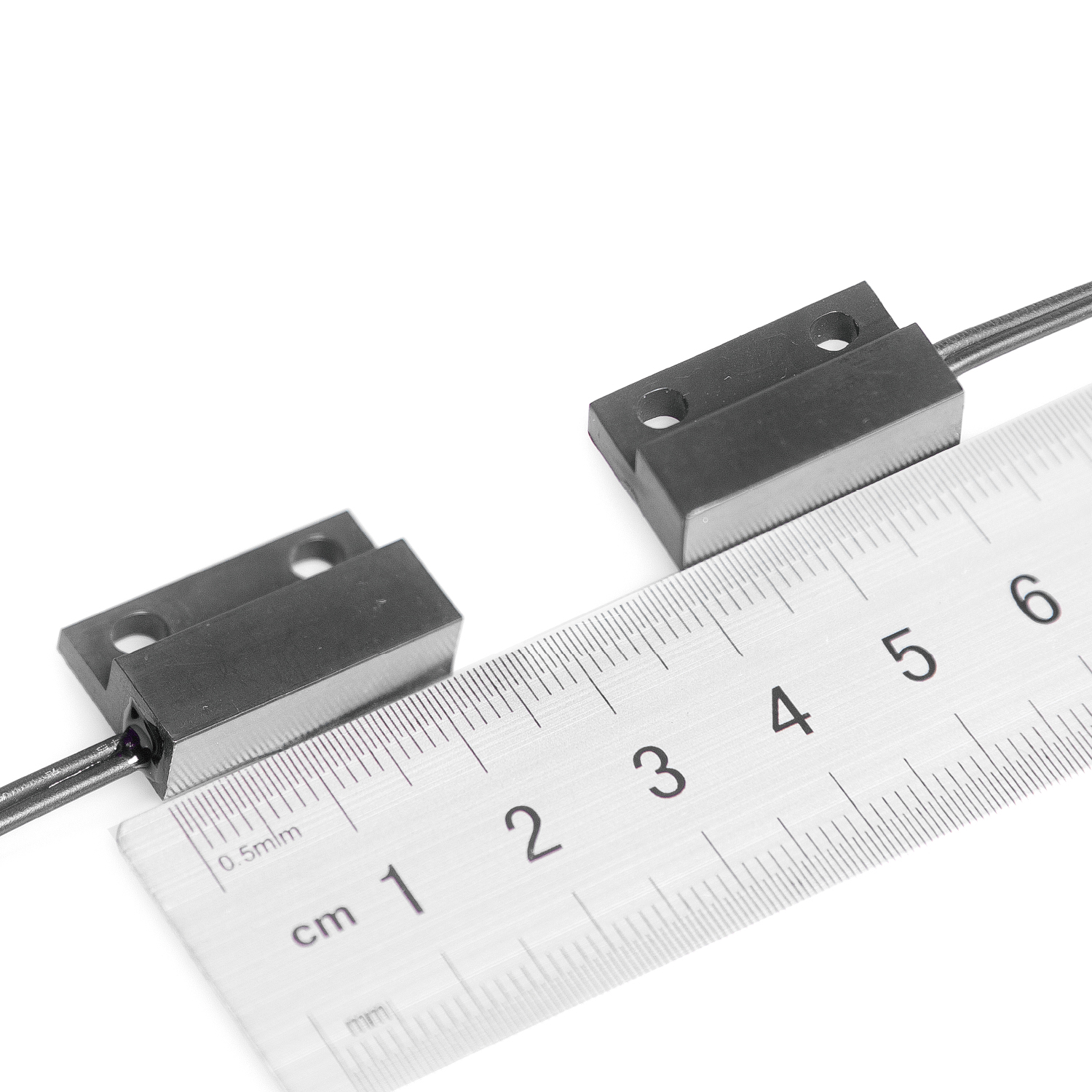
Magnetic Reed Type
Proximity switch/proximity sensors are widely used in various household appliances, security systems, access control systems, safety interlocks, position positioning, and equipment automation.
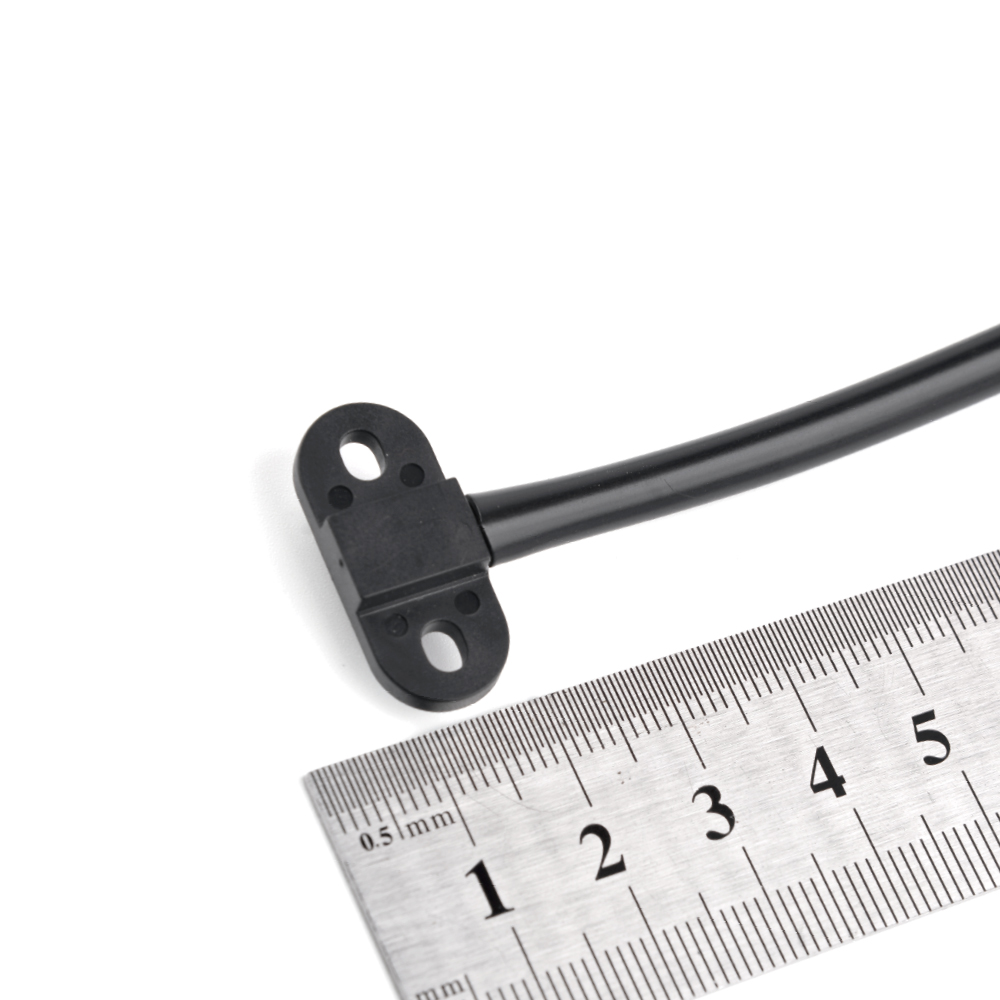
Hall Type
Hall type proximity switch is composed of a reed switch and a permanent magnet. They are individually enclosed in a plastic housing for protection and ease of installation.
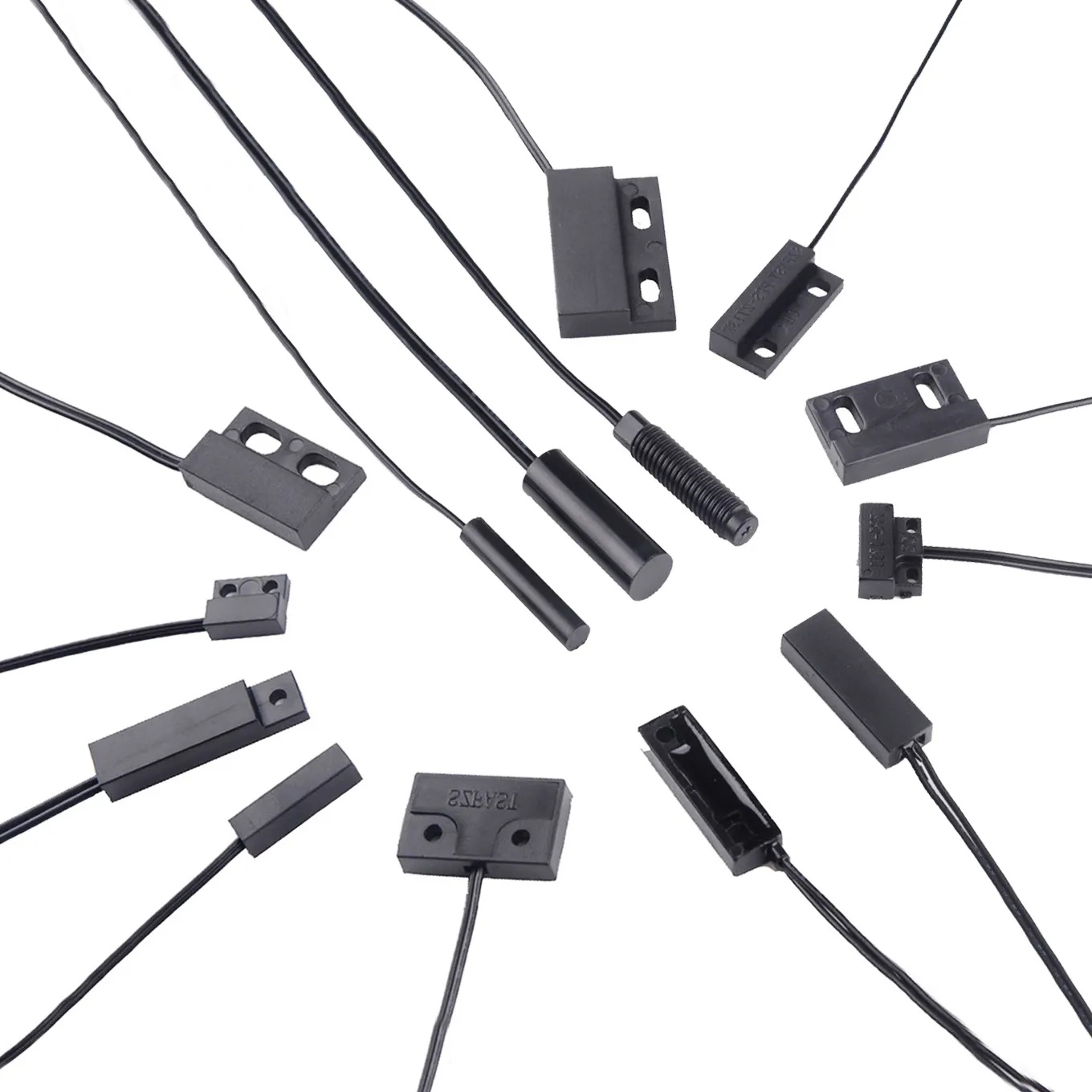
SCR/MOSFET Type
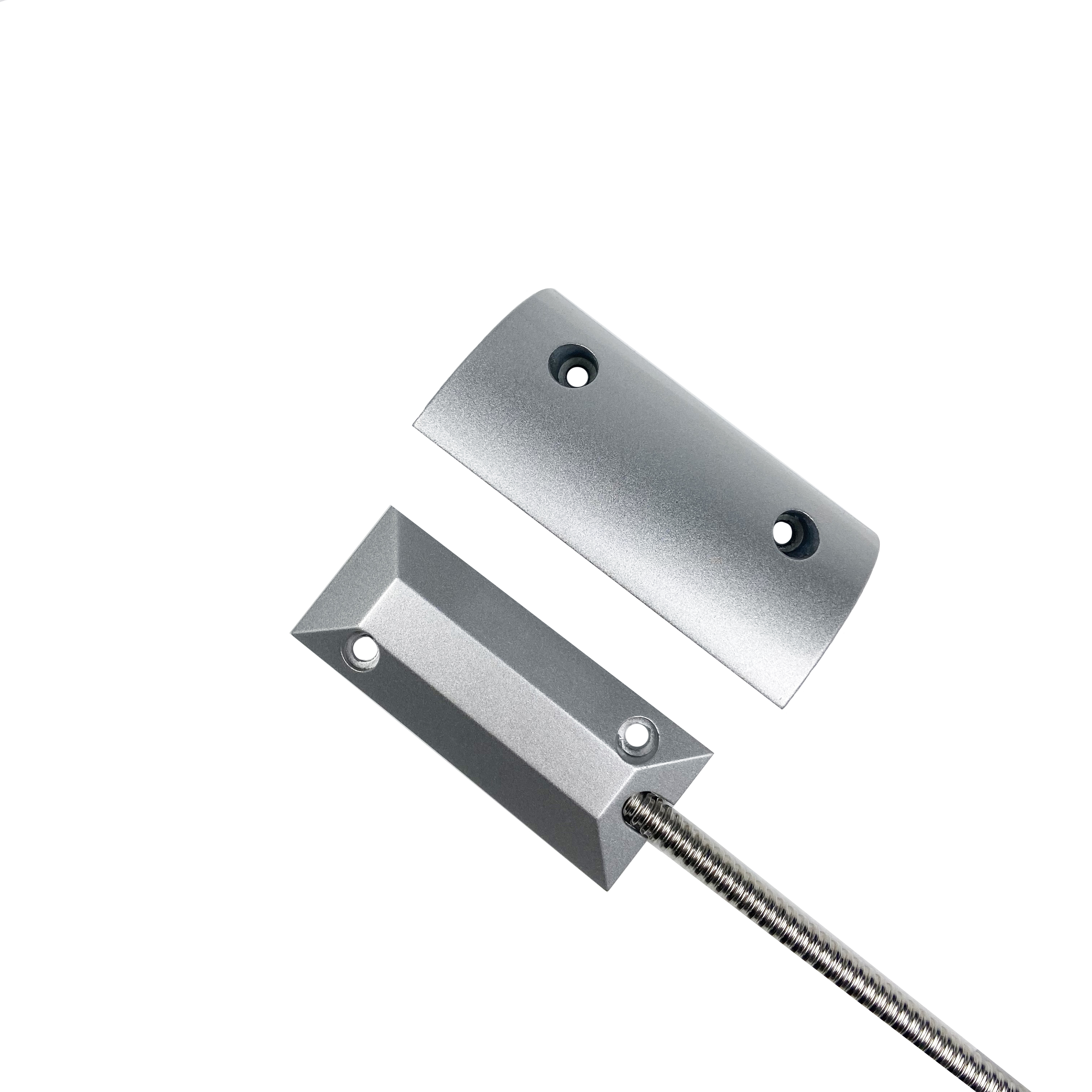
Magnetic Door Type
Proximity switches/proximity sensors are widely used in various household appliances, security systems, access control systems, safety interlocks, position positioning, and equipment automation.
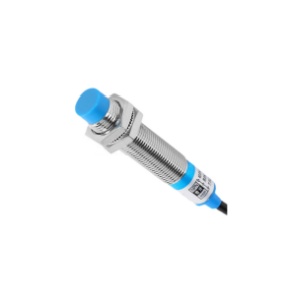
Photoelectric Type
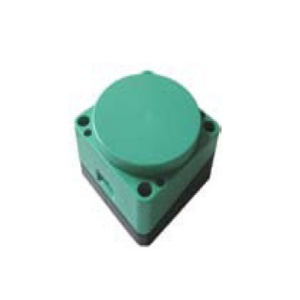
Inductive Type
Proximity switches/proximity sensors are therefore widely used in various household appliances, security systems, access control systems, safety interlocks, position positioning, and equipment automation.
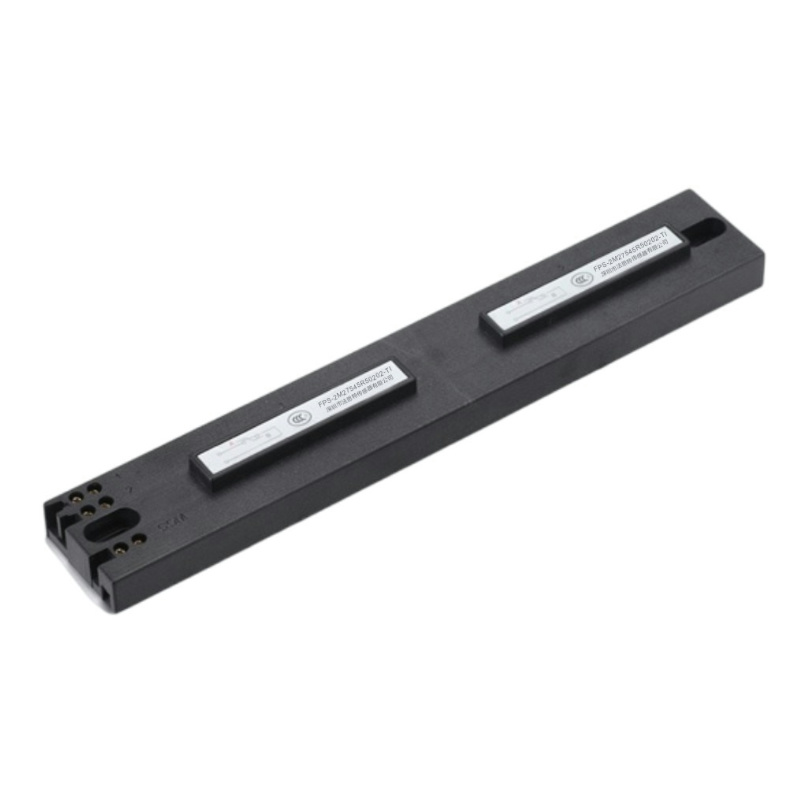
Dual-stable reed switch
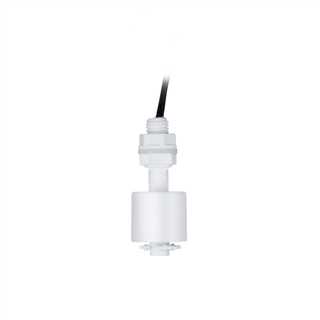
Plastic Materials
Widely used in the control of water tanks, compressors and pumps, household appliances, medical equipment, industrial braking, petrochemicals, food processing, electric power, public works, vehicles and ships, etc.
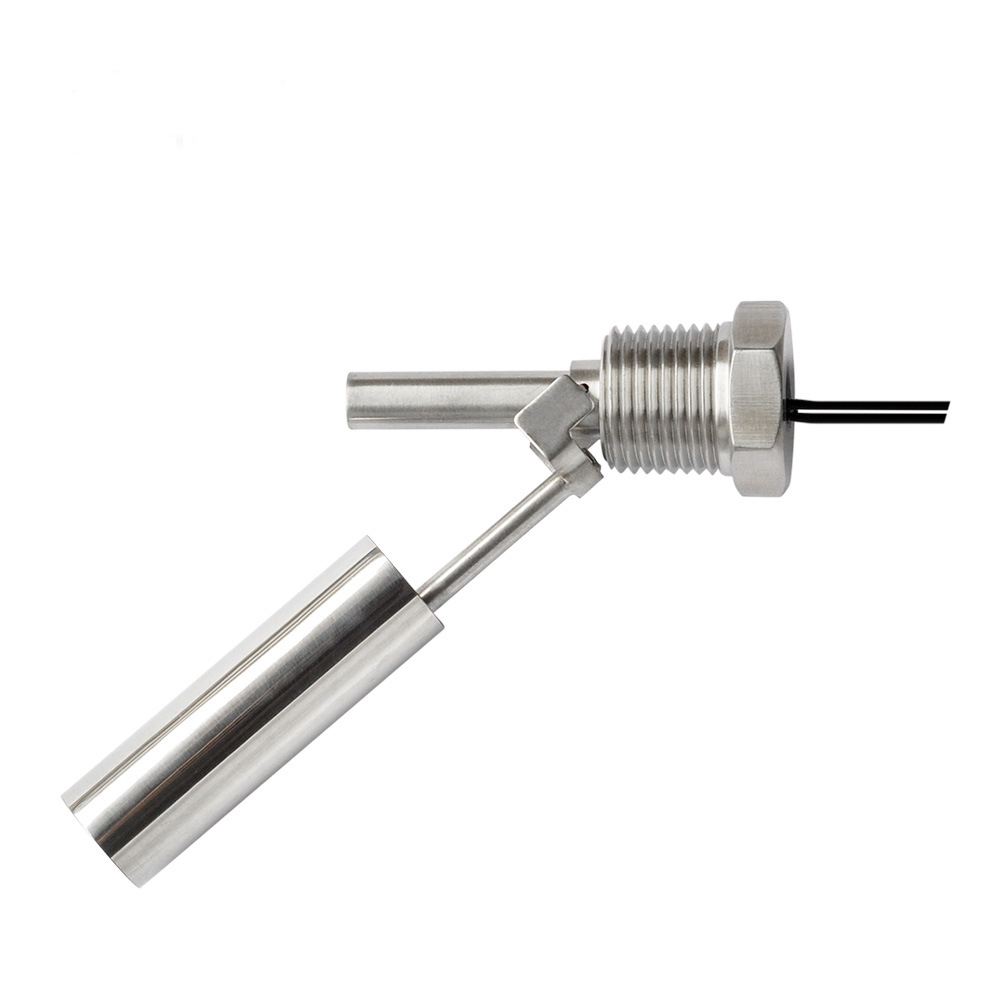
Stainless Steel Series
Widely used in the control of Water Tanks, Compressors and Pumps, Household Appliances, Industry Automation, Medical Equipment, Petrochemical Industry, Power, Food Processing, Public Engineering, Vehicles and Ships etc.
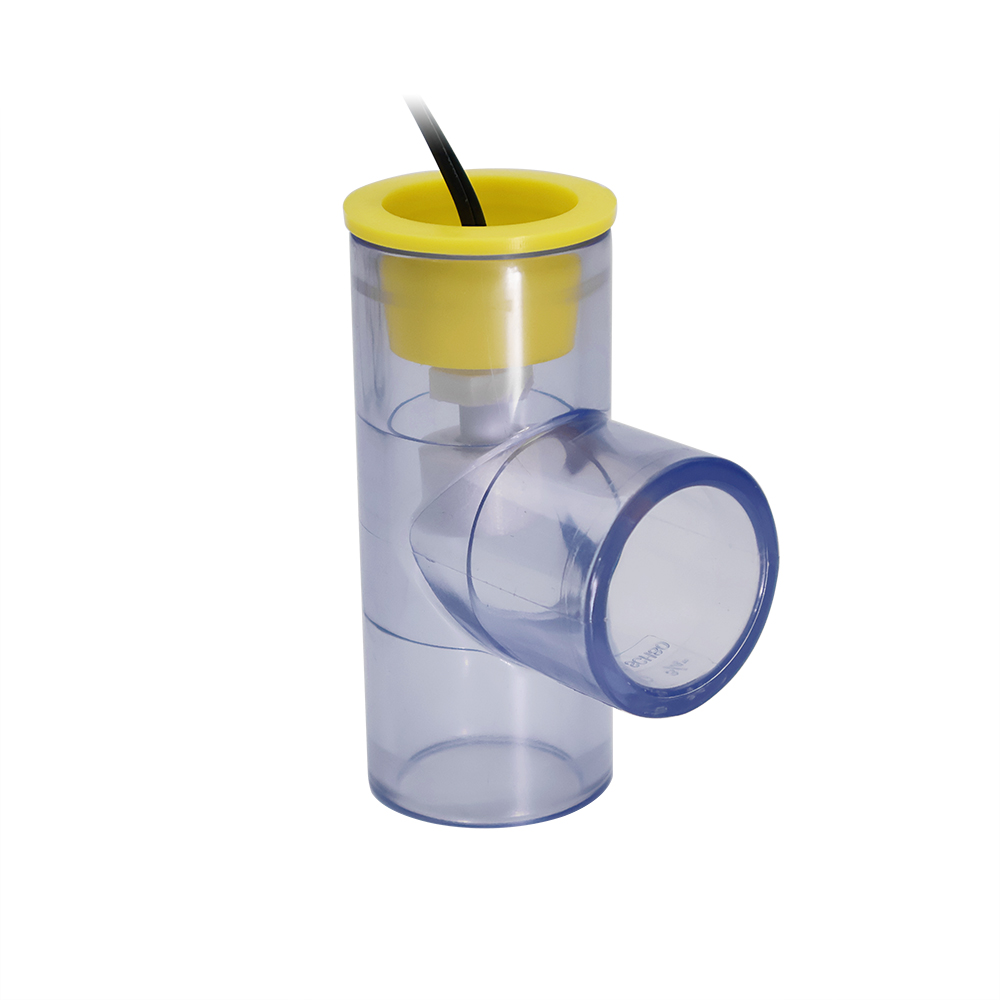
Special Water Level Switch
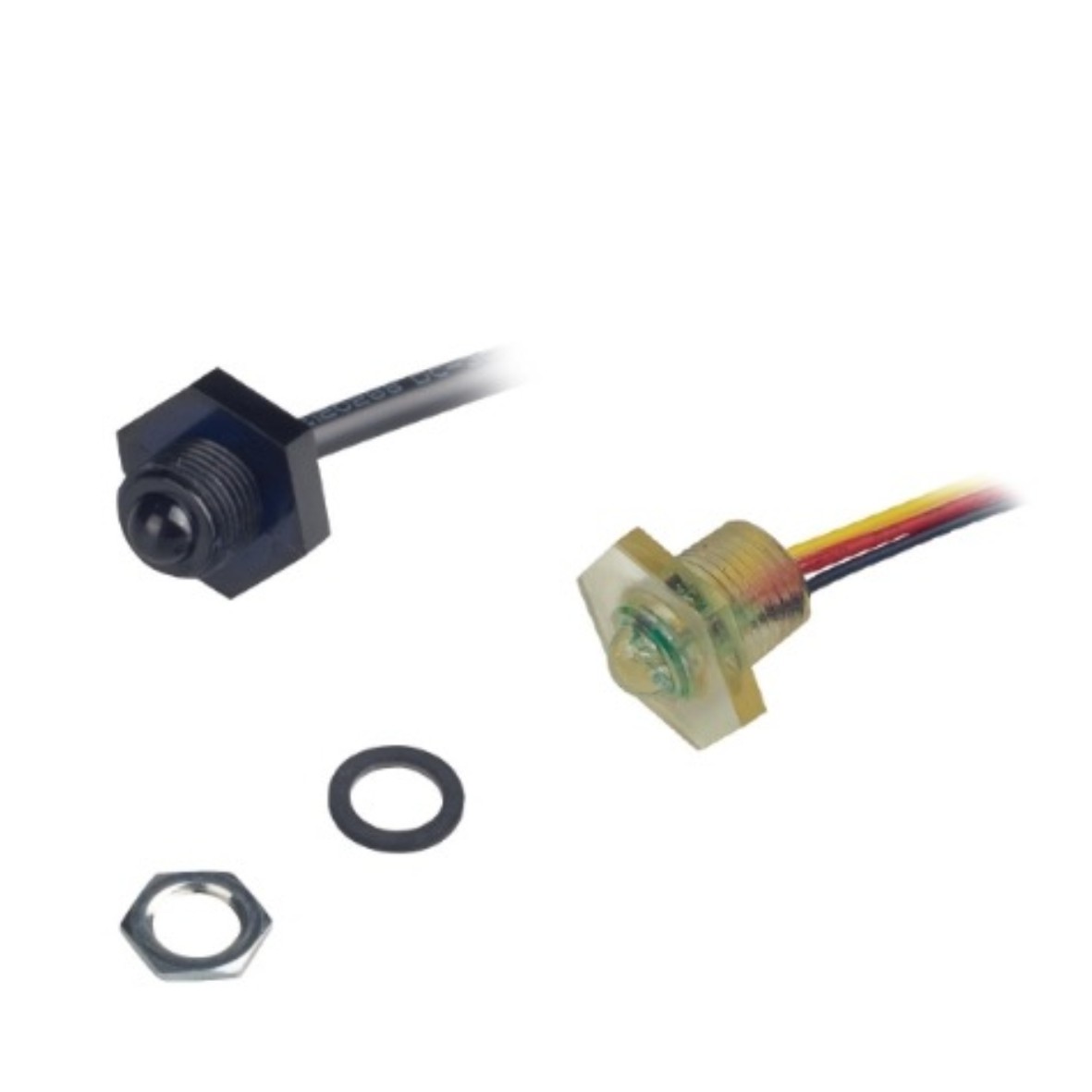
Photoelectric Liquid Level Sensor
FAST can provide customized wide-range sensors with up to 7 set points and lengths from 20mm to 2m. The valve stem and float can be made of stainless steel, PP, NBR and other materials.
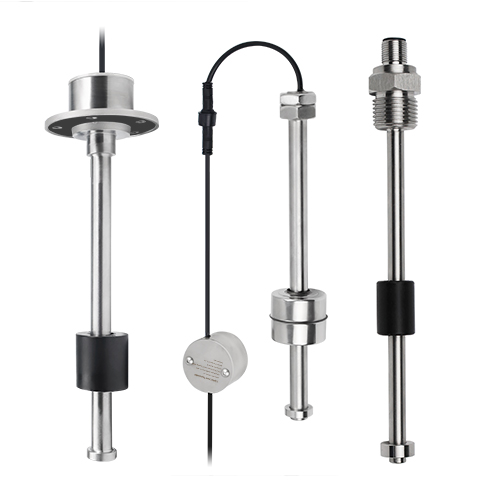
4-20mA Current output
Widely used in the control of water tanks, compressors and pumps, household appliances, medical equipment, industrial automation, petrochemicals, food processing, electricity, public works, vehicles and ships, etc.
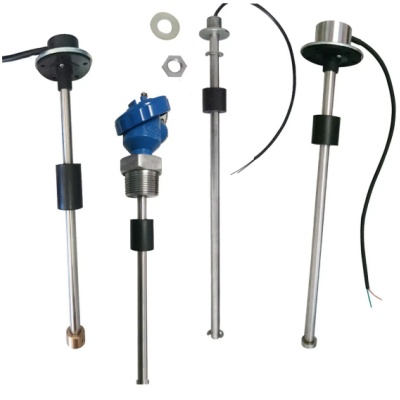
0-5V Voltage output
Widely used in the control of water tanks, compressors and pumps, household appliances, medical equipment, industrial automation, petrochemicals, food processing, electricity, public works, vehicles and ships, etc.
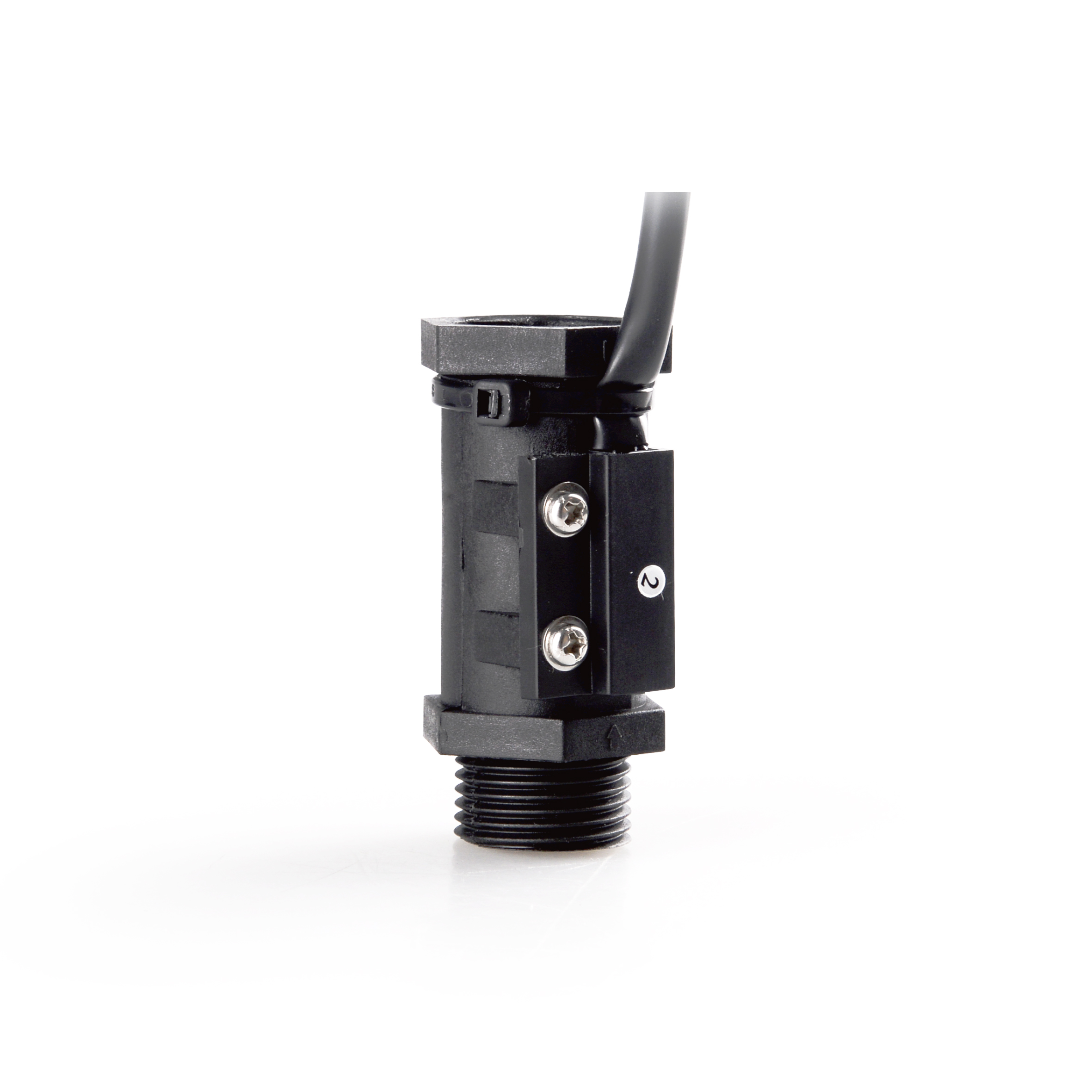
Plastic Flow Switch
All FAST flow sensors and flow switches are made of high-quality corrosion-resistant materials to ensure good performance in harsh environments. They are made from materials ranging from stainless steel to engineering plastics and are highly chemically compatible.
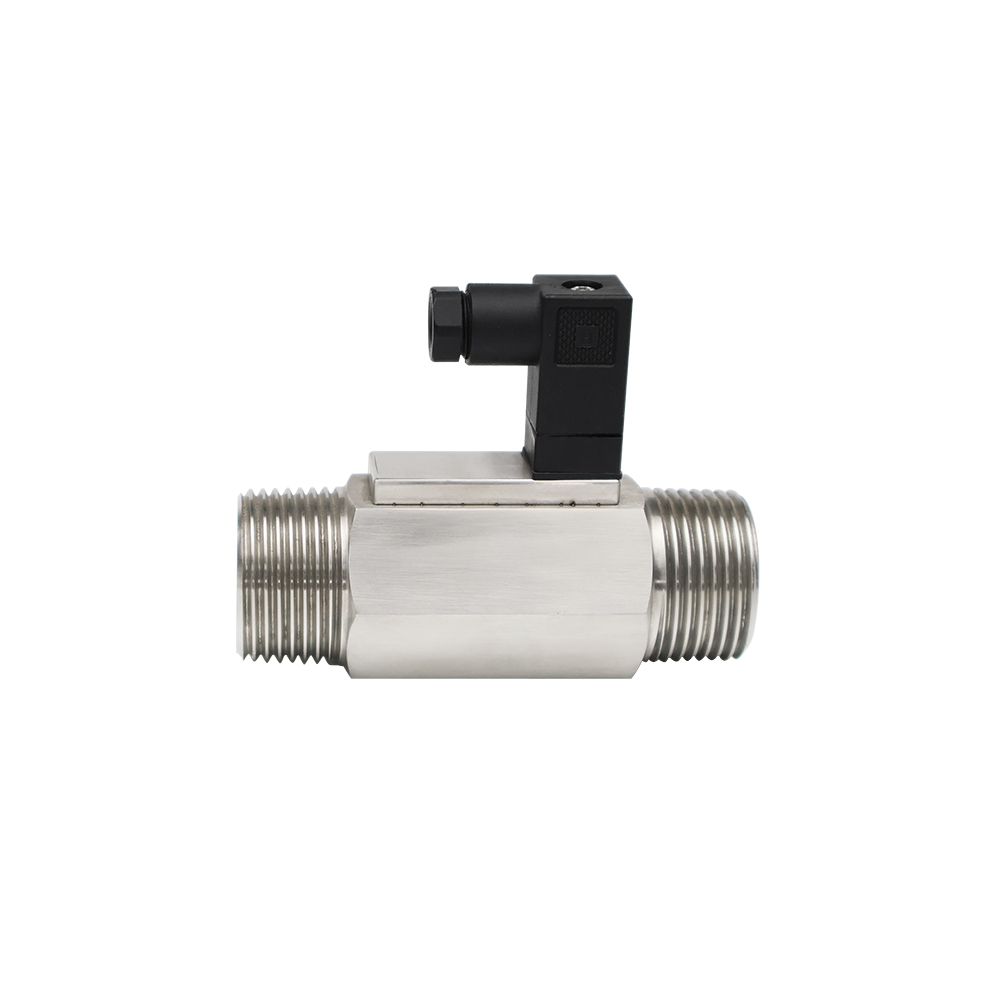
Stainless Steel Flow Switch
FAST flow sensors and flow switches are commonly used in applications such as rotating equipment, conveyors, gas sampling and distillation, water purification systems, welding machines, semiconductor equipment, chemical processing, machine tools and robotics.
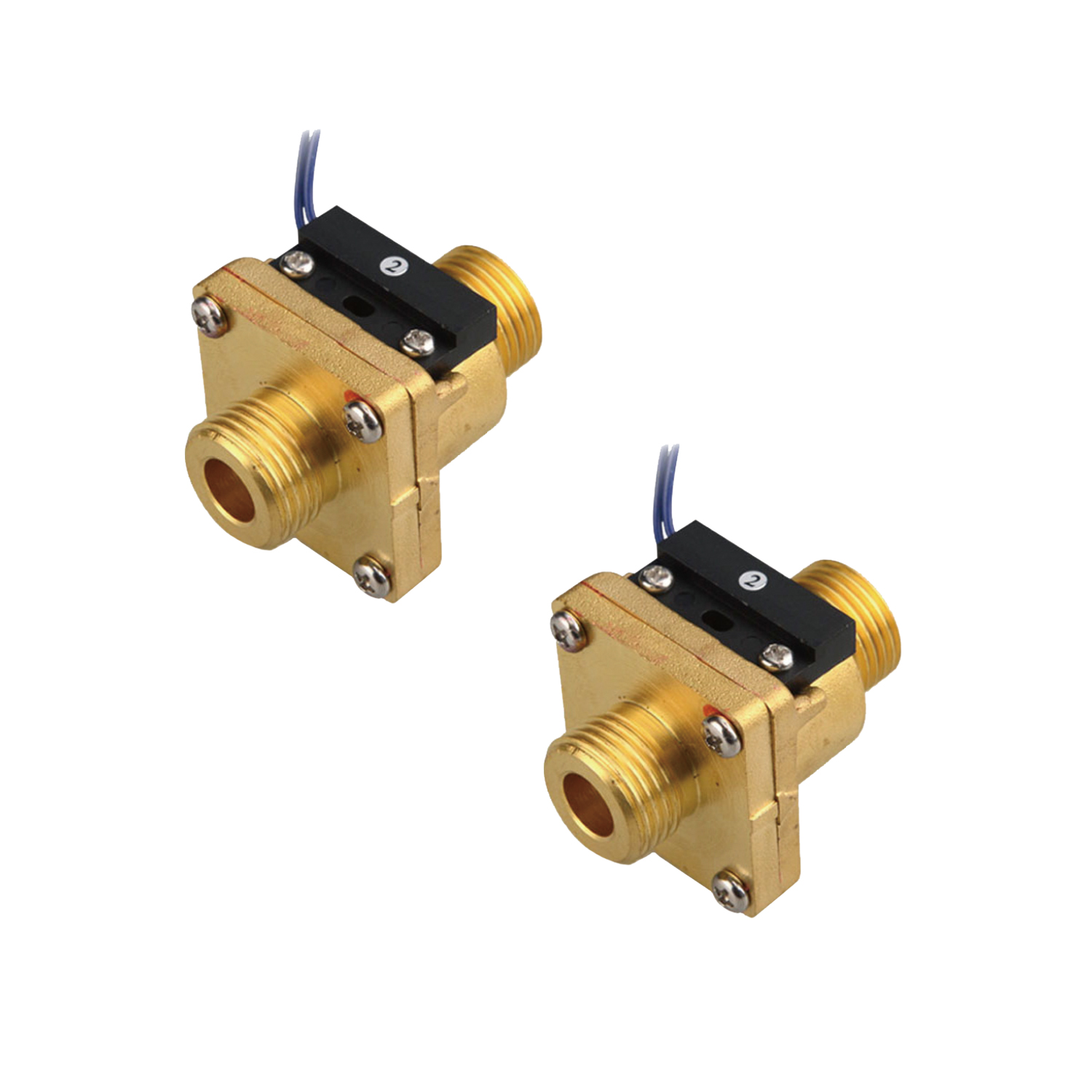
Brass Flow Switch
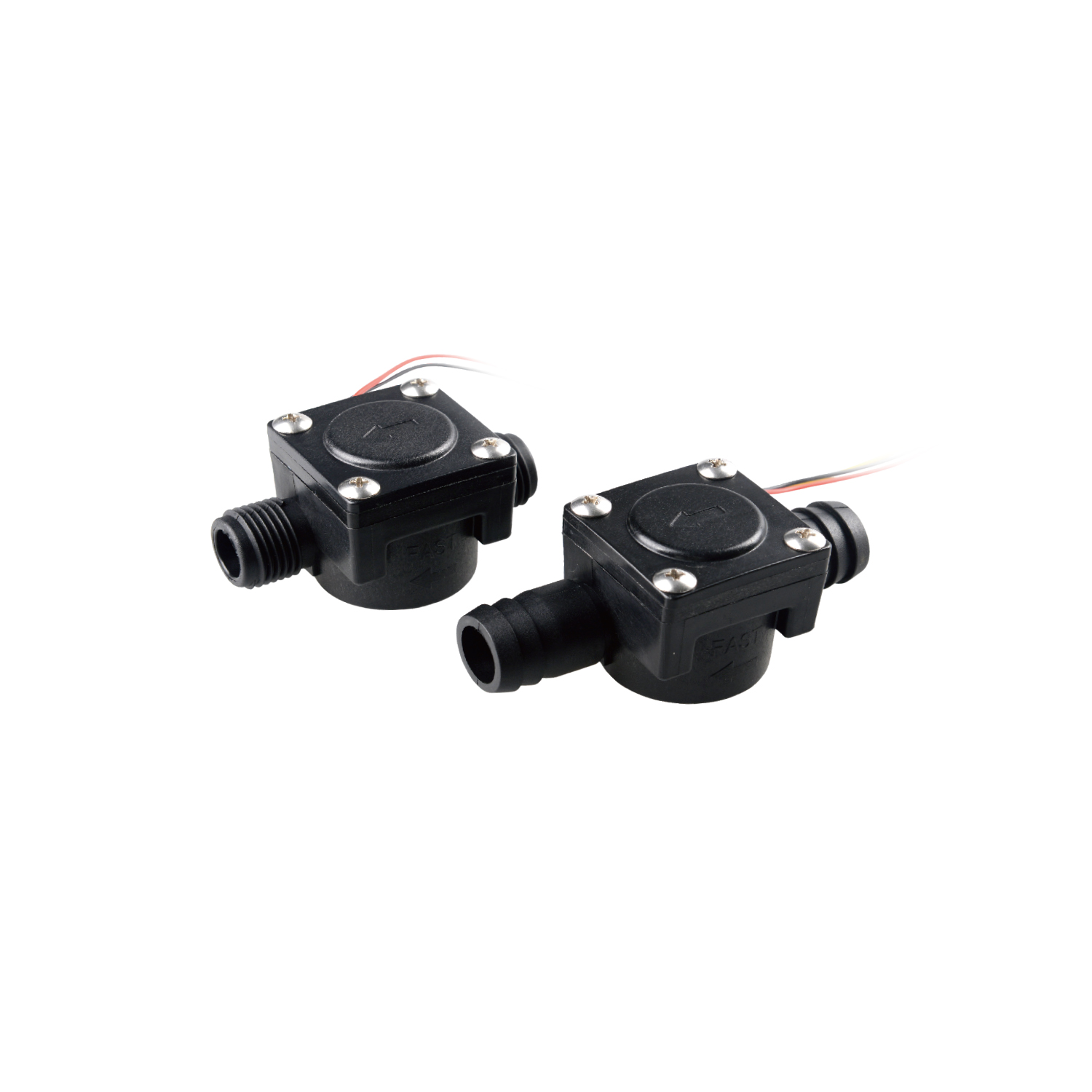
Plastic Flow Sensor
FAST flow sensors and flow switches are commonly used in applications such as rotating equipment, conveyors, gas sampling and distillation, water purification systems, welding machines, semiconductor equipment, chemical processing, machine tools and robotics.
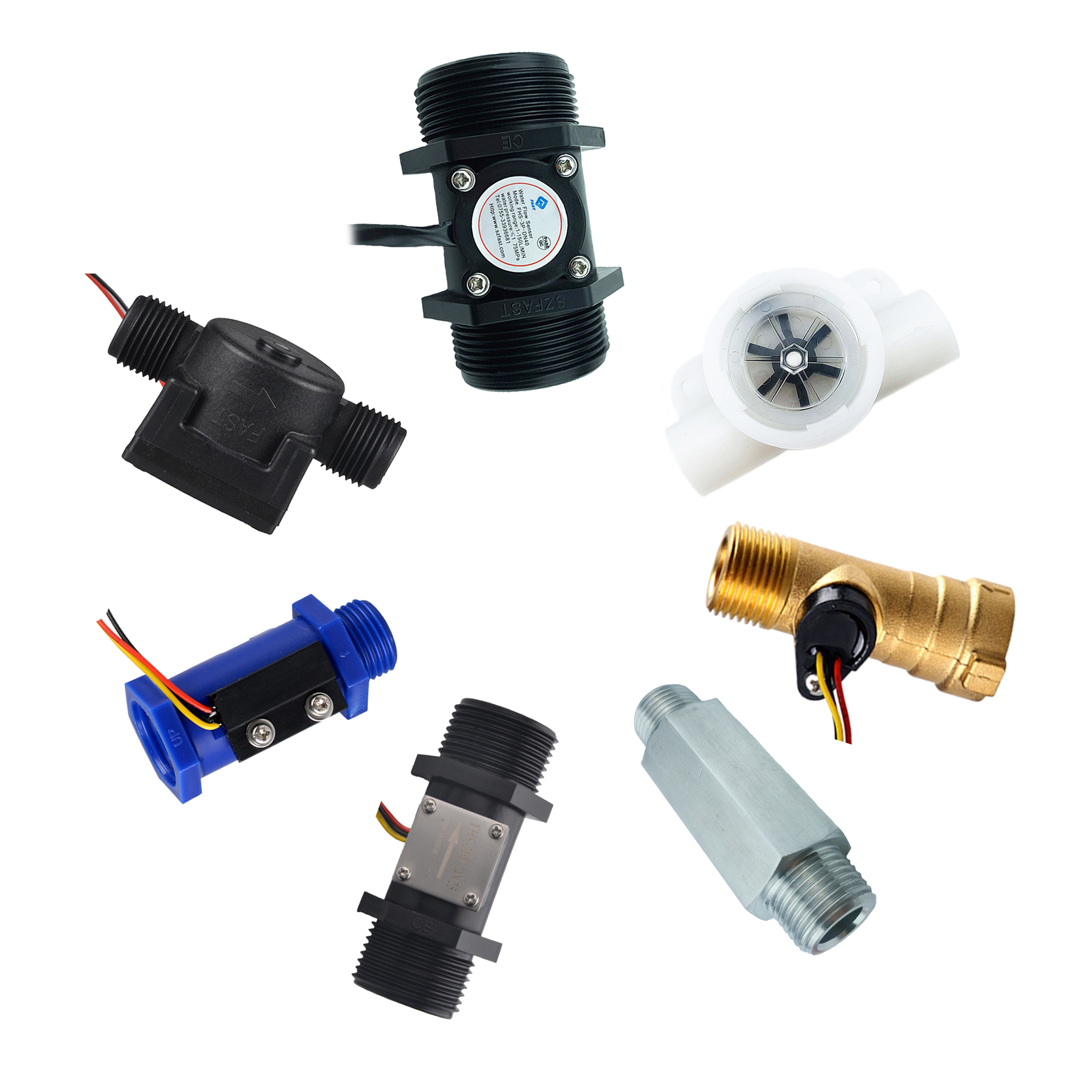
Stainless Steel Flow Sensor
All FAST flow sensors and flow switches are made of high-quality corrosion-resistant materials to ensure good performance in harsh environments. They are made from materials ranging from stainless steel to engineering plastics and are highly chemically compatible.
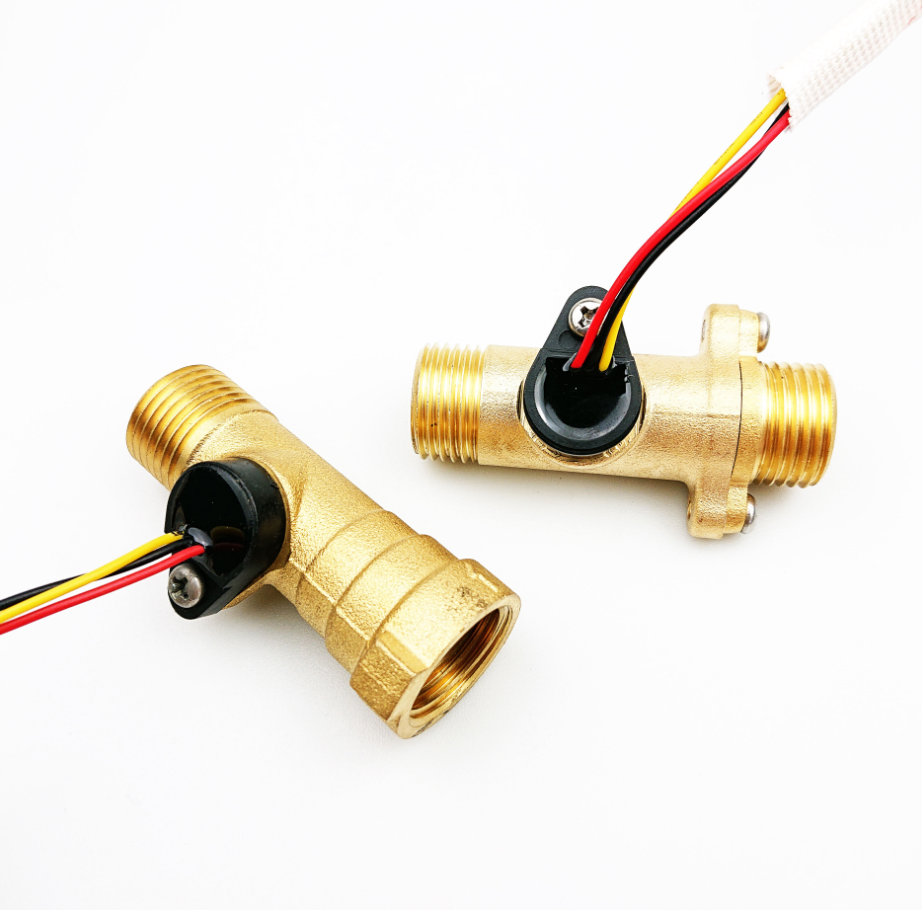
Brass Flow Sensor
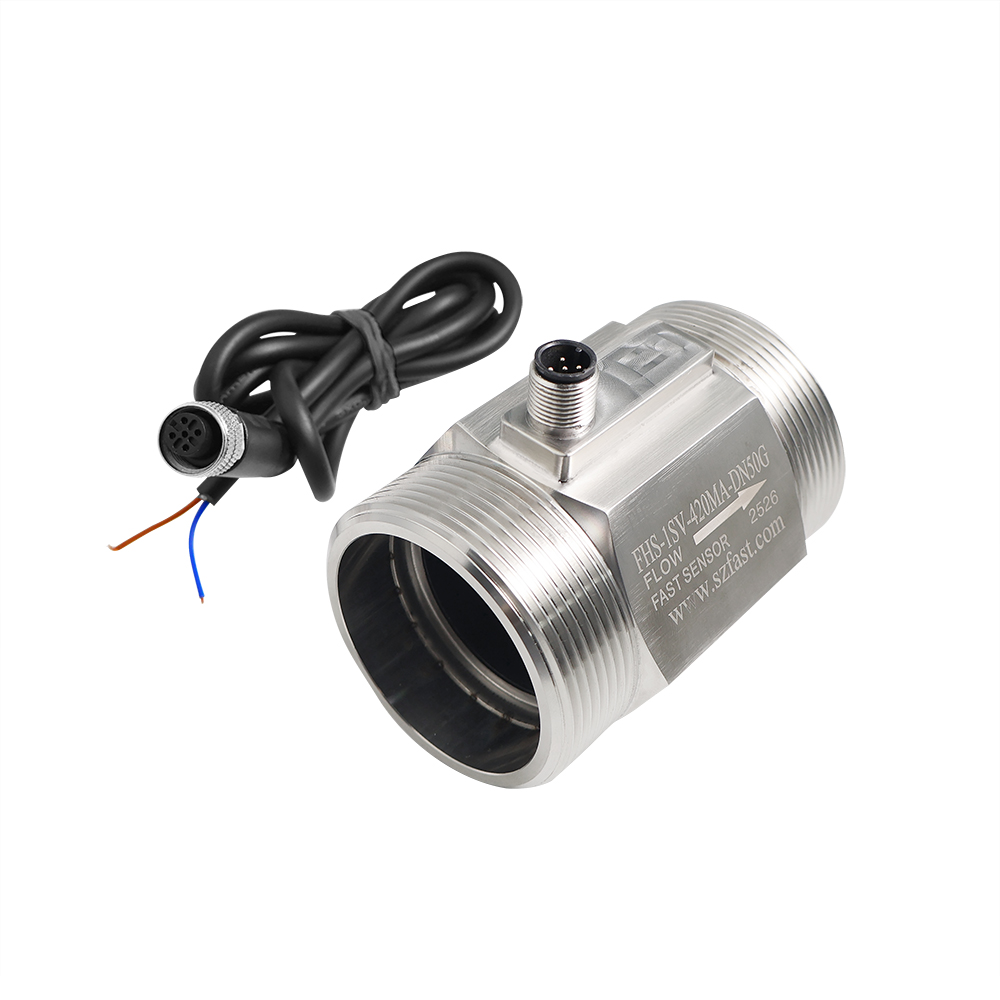
4-20mA Current output
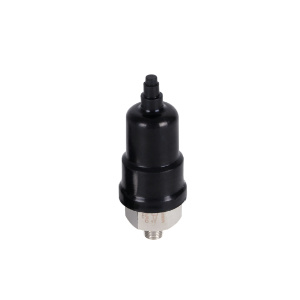
Plastic Pressure Switch
When the pressure in the system is higher or lower than the rated safety pressure, the disc in the sensor moves instantaneously, and the switch joint is turned on or off through the connecting rod. When the pressure drops or rises to the rated recovery value, The disc instantly resets and the switch automatically resets, or simply put, when the measured pressure exceeds the rated value, the free end of the elastic element is displaced, pushing the switch element directly or after comparison, changing the on-off state of the switch element, to achieve The purpose of controlling the measured pressure.
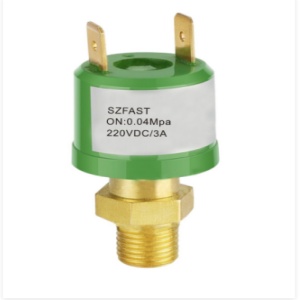
Brass Pressure Switch
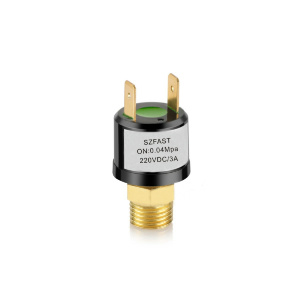
Stainless Steel Pressure Switch
When the pressure in the system is higher or lower than the rated safety pressure, the disc in the sensor moves instantaneously, and the switch connector is pushed on or off through the connecting guide rod. When the pressure drops to or rises to the rated recovery value, the disc resets instantly and the switch resets automatically. In simple terms, when the measured pressure exceeds the rated value, the free end of the elastic element is displaced, and the switch element is pushed directly or after comparison, changing the on-off state of the switch element to achieve the purpose of controlling the measured pressure.
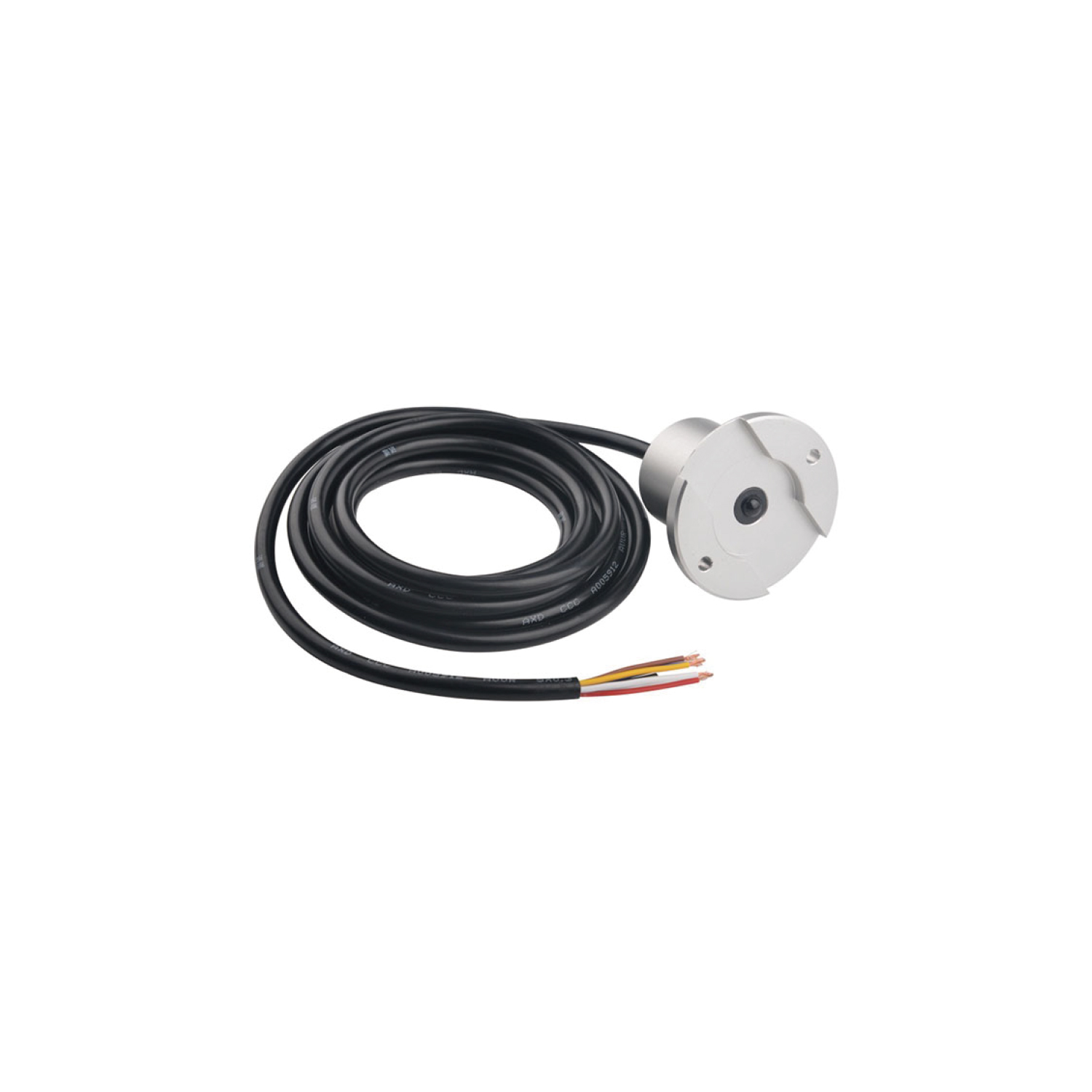
Probe Water Leak Detection Sensor
When a water leak occurs in a facility or equipment and water contacts both electrodes of the sensor at the same time, it will trigger the relay in the sensor to work and control the external alarm or water pump, solenoid valve and other equipment connected to it.
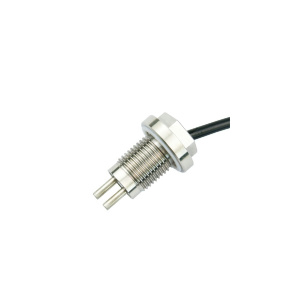
Photoelectric Water Leak Sensor
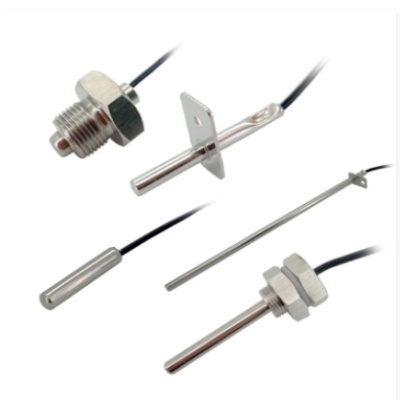
Temperature switch sensor
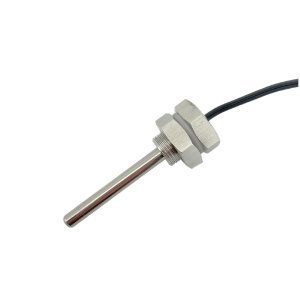
Temperature Sensor NTC
Temperature sensor products have stable performance, reliability and long life;NTC uses a temperature chip with a curve β value of ±1% and a resistance R value accuracy of ±1%. The outer casing is made of stainless steel 304 or nickel-plated copper, and is encapsulated with high-temperature epoxy resin. It can operate in harsh industrial environments;
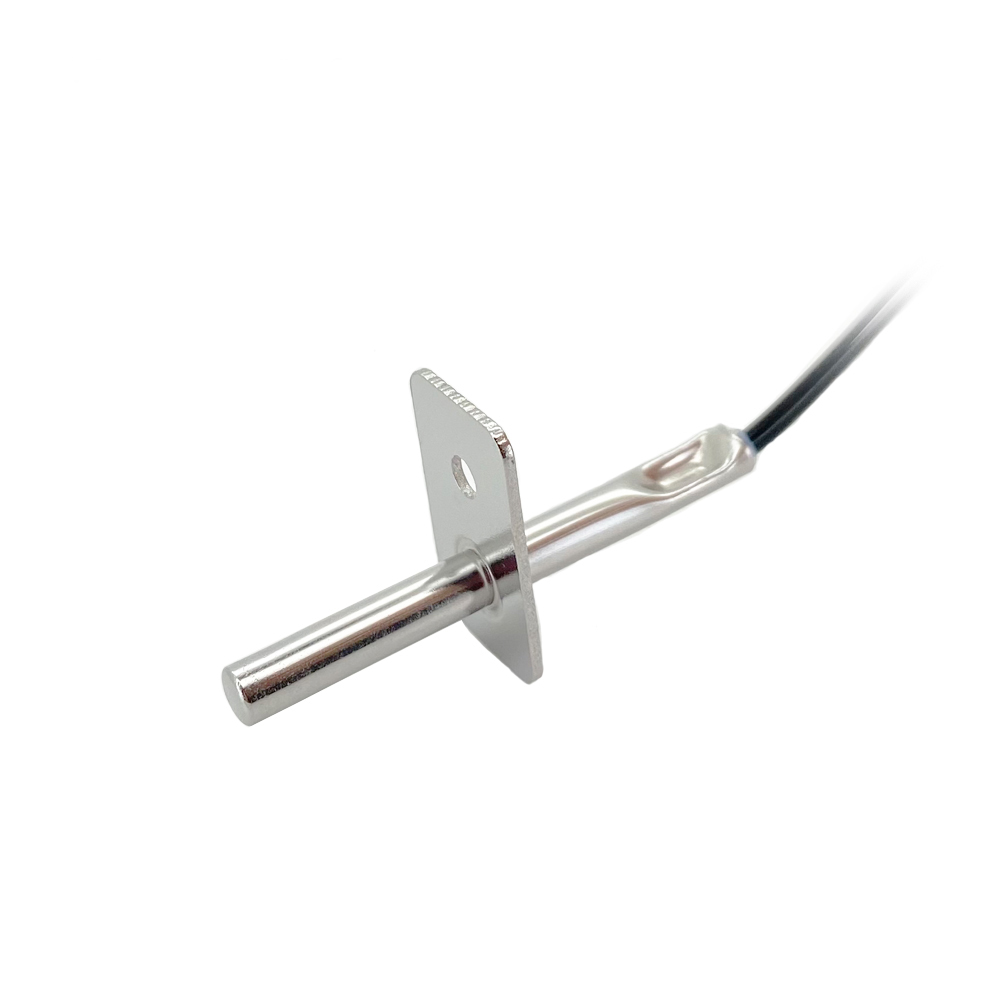
Temperature Sensor-PT100
- Cases
- News & Events
- Contact Us

EN
Reed Relay
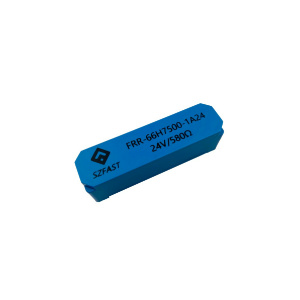
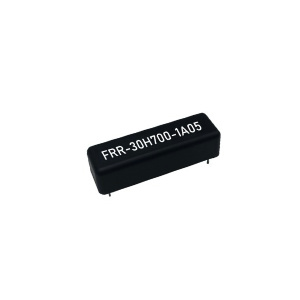
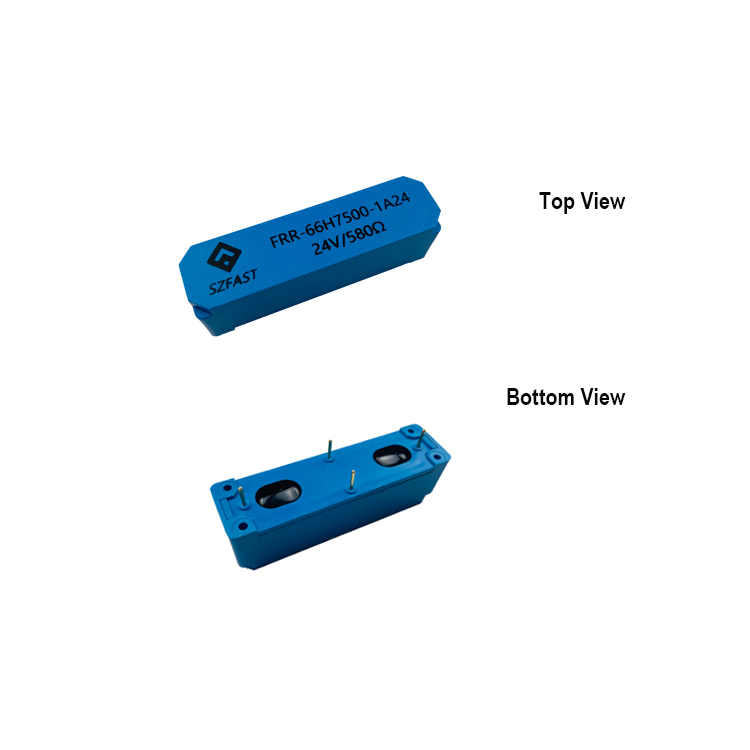
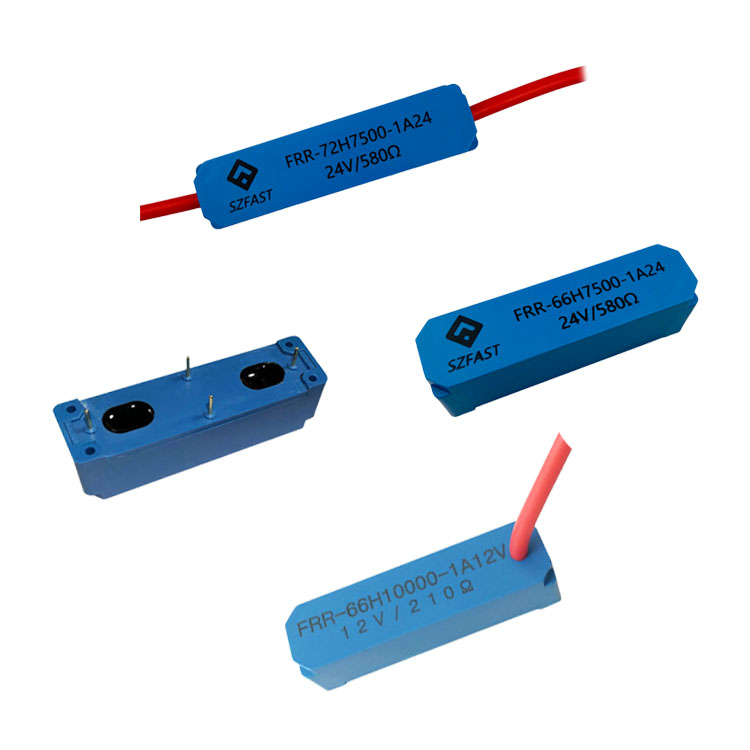
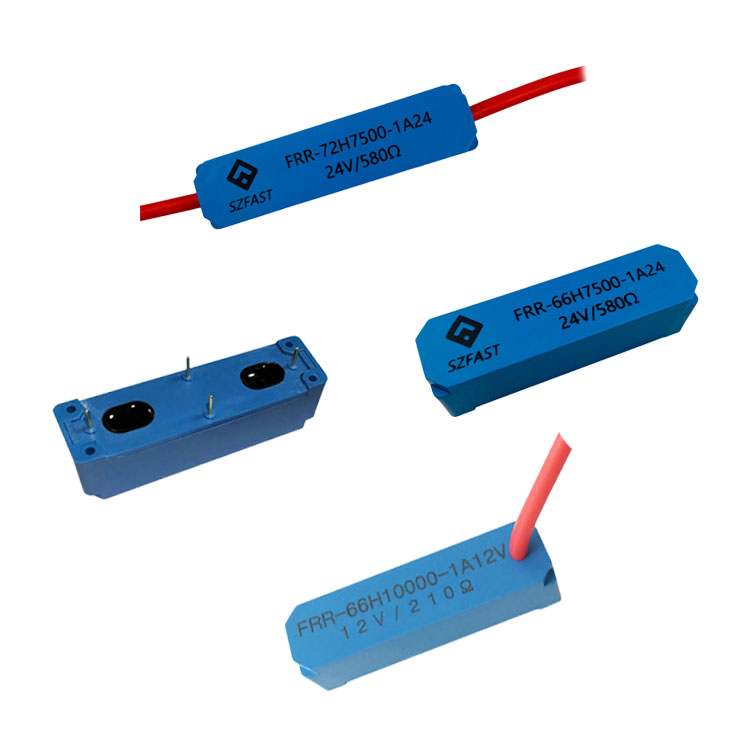
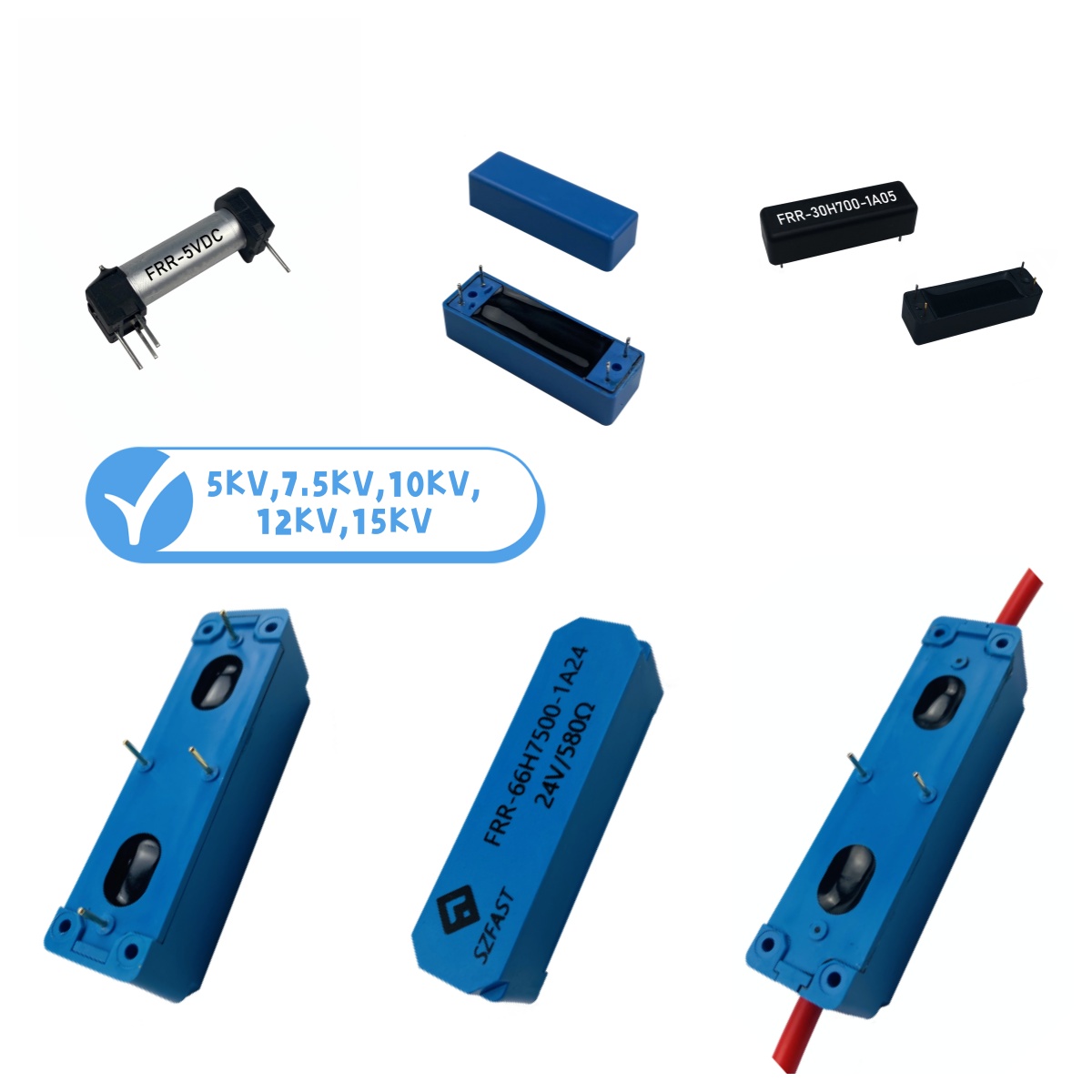
Reed Relay, also known as magnetic reed relay, is a miniature, hermetically sealed, high-speed electromechanical switch that uses a reed switch as its core switching component and is driven by an electromagnetic coil. It is widely used in precision signal switching and isolation control.
- Description
- Specifications
- Size
Core Features and Advantages
- Extremely simple structure and ultra-small size: Suitable for high-density PCB mounting.
- Extremely low operating power and high sensitivity: Low driving energy consumption.
- Ultra-fast response speed: Operating/release time of 0.1–2 ms.
- Ultra-long service life: Hermetically sealed with no wear, electrical life can reach 10⁷ to 10⁸ operations.
- Excellent isolation performance and extremely low leakage current: High withstand voltage between contacts and coil, leakage current < pA level.
- Strong vibration resistance and anti-interference capability: Suitable for harsh environments.
- Various contact forms: Single Pole Single Throw (SPST), Single Pole Double Throw (SPDT), etc.
Working Principle
- Coil de-energized: With no magnetic field, the reed remains open by its own elasticity (normally open type).
- Coil energized: A magnetic field magnetizes the reed, forming opposite magnetic poles at the contact ends that attract each other to close, conducting the circuit.
- Coil de-energized: The magnetic field disappears, and the reed returns to the open state by elasticity.
Coil Parameters: Rated voltage (5V/12V/24V), coil resistance, operate/release power.
Contact Parameters:
- Type: Normally Open (NO), Normally Closed (NC), Changeover.
- Load: Low-signal type (switching mA~1A/30V), power type (up to 2A/220V).
Electrical Performance: Insulation withstand voltage, contact resistance, operating time, service life.
Package Type: Through-hole (DIP), Surface Mount (SMD), leaded type.
Copyright © 2025 Fast Sensor HongKong Limited .